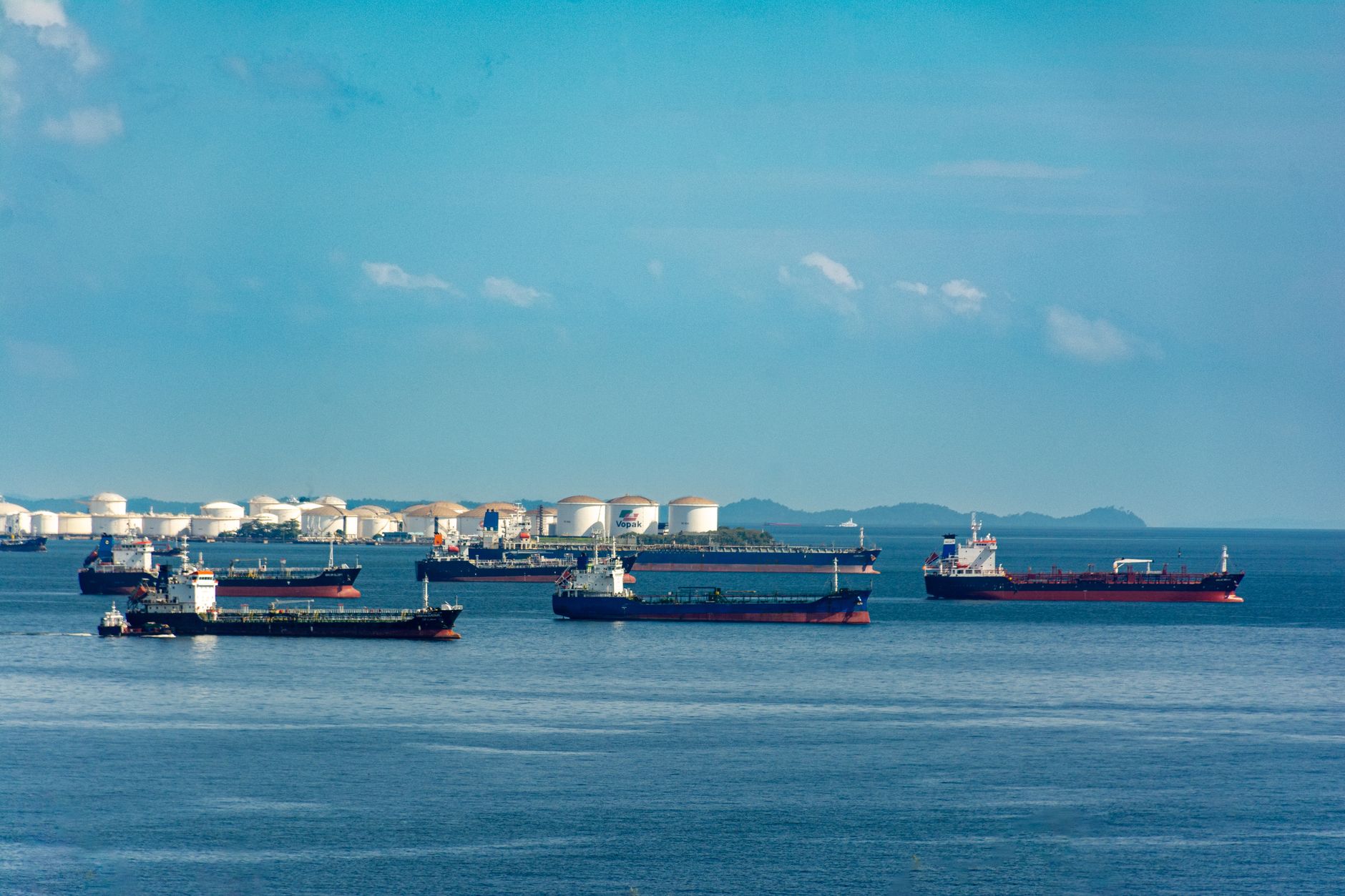
Global markets are navigating treacherous waters this Friday as geopolitical tensions in the Middle East take center stage. With oil prices climbing sharply on tanker attacks and the Strait of Hormuz facing mounting disruptions, investors are bracing for a volatile end to the trading week. Meanwhile, earnings season continues to deliver more disappointments than celebrations among small-cap names.
Geopolitical Storm Clouds Gather Over Energy Markets
The headlines dominating trading desks this morning paint a concerning picture of escalating tensions in one of the world’s most critical oil transit chokepoints. Oil prices surged over $1 per barrel following reports of tanker attacks in the region, while two oil slicks have appeared in the Gulf as a massive spill off Oman threatens environmental disaster.
President Trump’s aggressive rhetoric toward Iran has added fuel to the fire, with the administration urging Americans to accept higher gas prices as diplomatic pressure intensifies. The White House has threatened additional economic pressure on Iran, causing traffic through the Strait of Hormuz—through which roughly 20% of the world’s oil passes daily—to slow even further.
“This is precisely the scenario energy traders have feared for years,” noted one commodities strategist. “When you combine active tanker attacks, environmental disasters, and explicit warnings from Washington about accepting pain at the pump, you have a recipe for sustained price pressure.”
Housing Market Woes Compound Economic Concerns
Adding to the challenging economic landscape, housing investors are sounding alarms about deteriorating conditions. According to the latest reports, real estate investors describe the current environment as their worst market in at least three years. This sentiment reflects broader concerns about affordability, mortgage rates, and shifting demand patterns that have plagued the sector throughout 2026.
The housing struggles come at a particularly sensitive time, as consumers already face pressure from rising energy costs. The combination of shelter and transportation inflation could squeeze household budgets heading into the fall.
Earnings Season: Small Caps Struggle
Friday’s earnings reports were dominated by smaller companies, and the results were largely disappointing. Here’s how the key reports stacked up:
Notable Misses:
- EDBL delivered a staggering miss, posting EPS of -$18.79 versus estimates of -$11.93—a shortfall of nearly $7 per share that will likely punish the stock severely
- LNZA shocked investors with EPS of -$2.04 against expectations of just -$0.09, representing a dramatic deterioration in performance
- DTST reported EPS of -$0.53, missing the -$0.36 estimate by a significant margin
- LFWD came in at -$1.46 EPS, falling short of the -$1.37 consensus
Bright Spots:
- HURA managed a modest beat, posting -$0.14 versus expectations of -$0.15—a small victory in a sea of red
- LTRN outperformed with EPS of -$0.28, better than the -$0.39 estimate
Several companies including ACTU, ACXP, AIRE, and DUOT are still pending results, with investors watching closely to see if the pattern of disappointing numbers continues.
Political and Cultural Crosscurrents
Beyond the economic data, today’s headlines reveal interesting undercurrents in American society. A new CNBC/Generation Lab poll shows nearly half of Americans aged 18-34 view democratic socialism positively—a finding that could have significant implications for policy debates heading into future election cycles.
Meanwhile, Disney CEO Josh D’Amaro is set to address investors from the D23 expo, potentially offering insights into the entertainment giant’s streaming strategy and theme park investments. In Washington, President Trump has asked the Supreme Court to allow White House ballroom construction to proceed, adding another unusual legal battle to an already eventful news cycle.
Looking Ahead
As we close out the week, all eyes remain fixed on the Strait of Hormuz. Any further escalation could send energy prices sharply higher, creating headwinds for consumers and businesses alike. The combination of geopolitical risk, housing market stress, and mixed earnings creates a complex environment for portfolio positioning.
Investors would be wise to monitor weekend developments closely. Peace negotiations have reportedly made no progress, suggesting that Monday could bring more volatility if the situation deteriorates further. For now, defensive positioning and energy exposure appear to be the plays of the moment.
Stay tuned for updates as this developing situation unfolds.
Leave a Reply