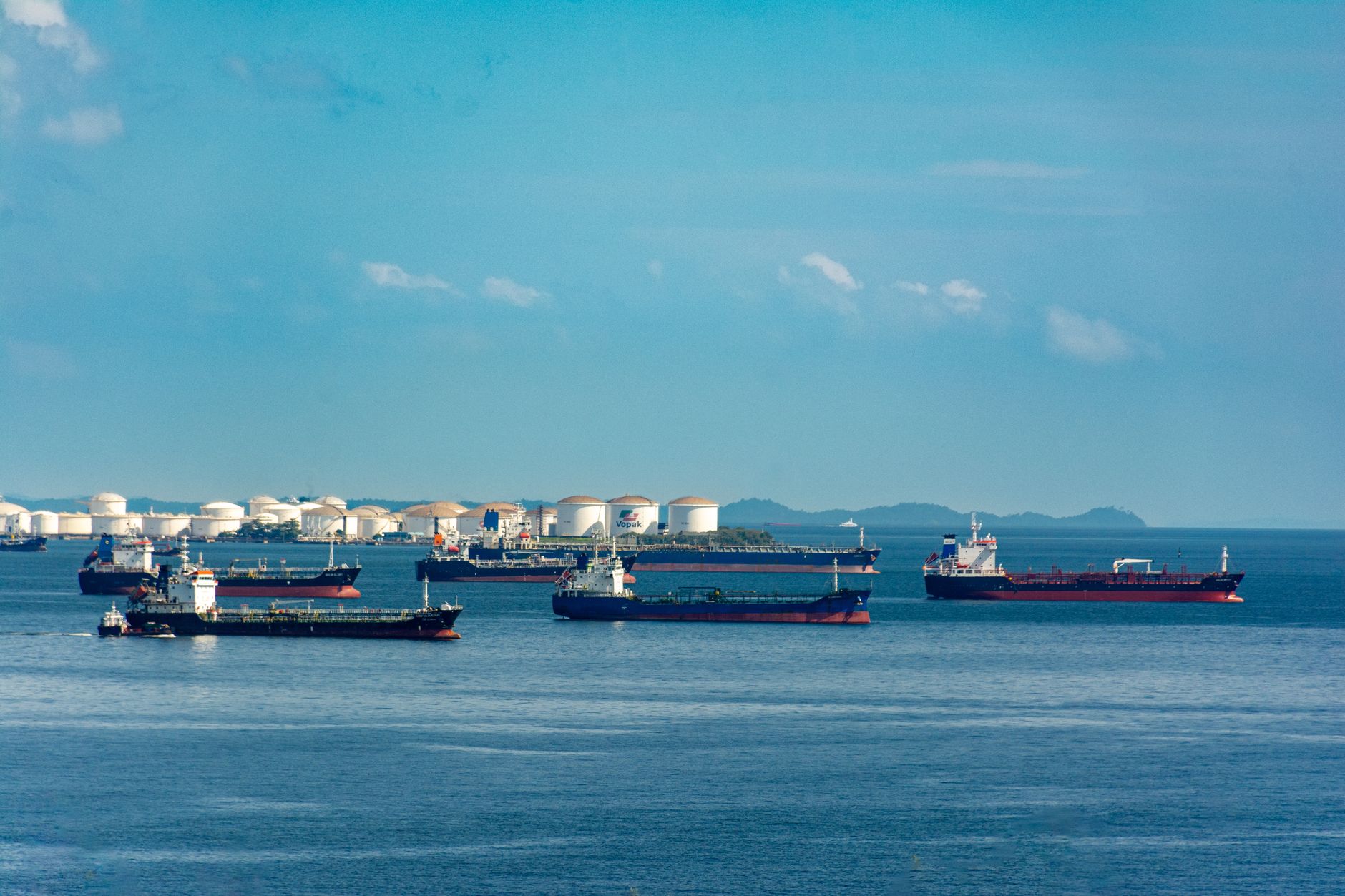
Wall Street closed in the red on Tuesday as hopes for a diplomatic breakthrough between the United States and Iran evaporated, sending oil prices higher and investors scrambling for safety. The Strait of Hormuz remains closed, and with Iran digging in on its demands, markets are bracing for prolonged uncertainty in one of the world’s most critical shipping lanes.
Geopolitical Tensions Take Center Stage
The optimism that briefly lifted markets earlier this week proved short-lived. Iran’s security council delivered a clear message today: the Strait of Hormuz will remain closed unless the United States meets Tehran’s conditions. This hardline stance sent shockwaves through global markets, with energy prices surging and equities pulling back sharply.
Adding to the volatility, four crew members were killed in a Red Sea attack, while a separate missile strike was reported in the Gulf region. President Trump responded with characteristically blunt language, stating that Iran’s options are to either “fail economically” or face being hit “really hard.” Neither scenario offers much comfort to investors seeking stability.
Oil prices continued their upward climb as traders priced in the growing likelihood of prolonged supply disruptions. The closure of the Hormuz Strait—through which roughly 20% of the world’s oil passes daily—represents one of the most significant geopolitical risks markets have faced in years.
Market Performance
U.S. equities retreated across the board as the risk-off sentiment dominated trading. The defensive posture was evident as investors rotated out of growth stocks and into traditional safe havens. Treasury yields declined as bond prices rose, reflecting the flight to safety.
Energy stocks proved to be the notable exception, rallying on the back of higher crude prices. However, the broader market impact was decidedly negative, with consumer discretionary and technology shares bearing the brunt of the selling pressure.
Earnings Season Continues
Despite the geopolitical drama, earnings reports continued to roll in, offering a mixed but generally positive picture of corporate America:
- Alamo Group Inc (AII) delivered the day’s standout performance, posting EPS of $1.78 against estimates of just $0.89—a beat of nearly 100%. The industrial equipment manufacturer’s results suggest robust demand in the agricultural and infrastructure sectors.
- Aramark (ARMK) continued its steady execution, reporting EPS of $0.52 versus the $0.495 consensus. The food services giant appears to be navigating inflationary pressures effectively.
- Ambac Financial (AMBQ) surprised to the upside with a loss of just $0.07 per share, significantly better than the expected loss of $0.26.
- Access National Security Corp (ACCS) edged past estimates with EPS of $0.08 compared to the $0.0765 forecast.
- Autolus Therapeutics (AUTL) and BCAX both posted smaller-than-expected losses, suggesting improved operational efficiency in the biotech sector.
On the disappointing side, Aquestive Therapeutics (AQST) missed estimates with a loss of $0.18 per share versus the expected $0.11 loss. Anterix (ATEX) also fell short, reporting a loss of $0.53 against expectations of -$0.44.
Sector Spotlight: Healthcare and Housing
In healthcare news, the Trump administration’s proposal to split the MMR vaccine drew sharp criticism from medical experts, who warn that such a move is unlikely to succeed and could carry significant public health consequences. The pharmaceutical sector will be watching this development closely.
Meanwhile, Invitation Homes’ CEO offered interesting commentary on the housing market, suggesting that a ban on institutional homebuying would eventually bring down prices—though not immediately. This acknowledgment from one of the largest institutional landlords in America adds nuance to the ongoing debate about housing affordability.
In brighter news for investors, analysts raised their price target on Cardinal Health following the company’s rosy profit guidance, while CNBC’s Jim Cramer highlighted potentially positive developments at both Intel and Nvidia.
Looking Ahead
Markets face a challenging environment as geopolitical risks show no signs of abating. Traders should expect continued volatility as headlines from the Middle East dominate sentiment. Key factors to watch include:
- Any movement in U.S.-Iran negotiations
- Oil price trajectory and potential supply responses from other OPEC+ members
- Safe-haven flows into gold, treasuries, and the U.S. dollar
- Continued earnings reports for signs of underlying economic strength
For now, the market’s message is clear: until there’s meaningful progress on the diplomatic front, risk assets face an uphill battle. Stay nimble, stay informed, and we’ll see you tomorrow.
Leave a Reply