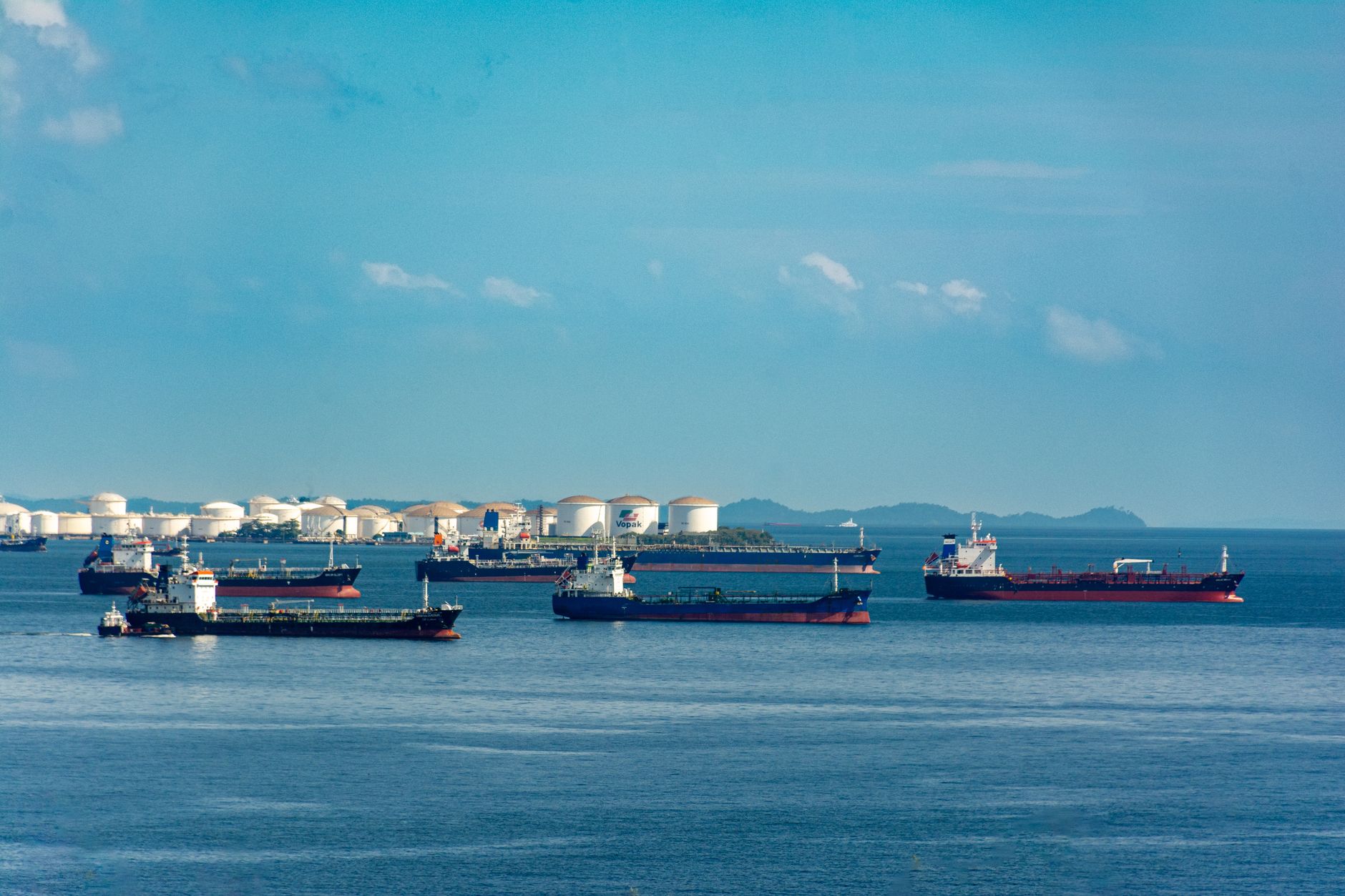
A potential breakthrough in the Strait of Hormuz standoff sent shockwaves through global markets Tuesday, with oil prices tumbling sharply while equities rallied on renewed hopes that the worst of the U.S.-Iran conflict may soon be behind us. Treasury Secretary Scott Bessent’s comments that a deal to reopen the critical shipping lane could come “as early as this week” triggered the most significant single-day move in crude prices since the war began.
Oil Crashes as Diplomatic Optimism Surges
Brent crude plummeted 8.7% to $94.32 per barrel, while WTI fell 9.1% to $89.78, marking the steepest decline since early June when Iranian forces first threatened commercial shipping through the Strait of Hormuz. The dramatic selloff came after Bessent told reporters that ongoing negotiations had made “substantial progress” toward ensuring safe passage through the waterway that handles roughly 20% of global oil traffic.
“This is the first genuinely optimistic signal we’ve had in months,” said Maria Gonzalez, chief commodities strategist at Goldman Sachs. “But traders should remain cautious—we’ve seen false dawns before in this conflict.”
The diplomatic momentum appears to be building on multiple fronts. Qatar announced Tuesday that progress has been made toward facilitating direct U.S.-Iran talks aimed at ending hostilities, while the State Department confirmed that U.S.-facilitated discussions between Israel and Lebanon have officially begun.
Equities Surge on Peace Prospects
Stock markets responded enthusiastically to the geopolitical developments:
- S&P 500: Up 2.3% to 4,892
- Dow Jones Industrial Average: Gained 1.9% to 38,456
- Nasdaq Composite: Rose 2.8% to 15,234
- Russell 2000: Jumped 3.1% as small caps led the charge
Energy stocks predictably lagged, with the S&P 500 Energy sector falling 4.2% as Exxon Mobil and Chevron both shed more than 5%. However, transportation, airlines, and consumer discretionary names rallied sharply on expectations of lower fuel costs ahead.
The Sobering Reality Behind the Headlines
Despite the market euphoria, several developments Tuesday underscored the fragile nature of the current situation. A Reuters exclusive revealed that the U.S. has depleted “virtually all” of its long-range precision missile inventory during the Iran conflict, raising serious questions about military readiness and the Pentagon’s ability to sustain operations.
Meanwhile, an Indian cargo ship was struck by a projectile near Yemeni waters, though all seafarers were reported safe. The incident serves as a reminder that regional instability extends far beyond the Strait of Hormuz, with Houthi forces continuing to threaten commercial shipping in the Red Sea.
Asia’s crude and fuel imports have begun recovering but remain below pre-war levels, according to Reuters data, suggesting that even optimistic scenarios will require months of normalization before global supply chains fully heal.
Manufacturing Rebounds Signal Economic Resilience
In more encouraging economic news, the latest manufacturing data showed a meaningful rebound in factory activity. The ISM Manufacturing Index rose to 52.4 in July, up from 49.8 in June, marking the first expansion in three months. New orders and production both showed strength, suggesting that businesses are beginning to adjust to elevated energy costs.
“The manufacturing sector is proving more resilient than many feared,” noted David Chen, economist at JPMorgan Chase. “Companies have gotten creative with supply chains and energy hedging strategies.”
Corporate Movers: Chipotle in the Spotlight
Not all news was positive on the corporate front. Chipotle Mexican Grill (CMG) shares tumbled 6.8% after reports emerged of a potential link between the restaurant chain and a salmonella outbreak in Minnesota. The company issued a statement saying it is “cooperating fully with health authorities” while the investigation continues.
In lighter news, TikTok users have been sharing their “always worth it” purchases, prompting financial planners to weigh in on the viral trend—a reminder that even amid geopolitical turmoil, everyday consumer behavior continues to drive significant portions of the economy.
Looking Ahead
All eyes will be on Washington and Doha this week as diplomatic efforts intensify. Turkey’s call for Russia and Ukraine to ensure Black Sea safety following a drone attack adds another layer of complexity to global shipping concerns.
Key events to watch:
- Potential Strait of Hormuz announcement (expected mid-week)
- Weekly jobless claims (Thursday)
- Fed Governor Waller speech on inflation outlook (Friday)
For now, markets are betting on peace—but as the past several months have shown, the path from hope to reality in the Middle East is rarely straightforward.
Leave a Reply