Wall Street opened the week on a decidedly cautious note as geopolitical tensions in the Middle East dominated headlines and rattled investor confidence. The S&P 500 fell 0.77% on Monday, with the benchmark index closing at $749.17, as traders fled risk assets amid escalating concerns over Iran and potential disruptions to global energy markets.
Geopolitical Storm Clouds Gather
The day’s market action was overwhelmingly shaped by a cascade of troubling developments in the Middle East. Multiple Reuters reports painted a picture of rapidly deteriorating regional stability, with Houthi forces firing missiles at Saudi Arabia—breaking years of relative calm—while the United States announced plans to begin enforcing a maritime blockade on Iran starting Tuesday.
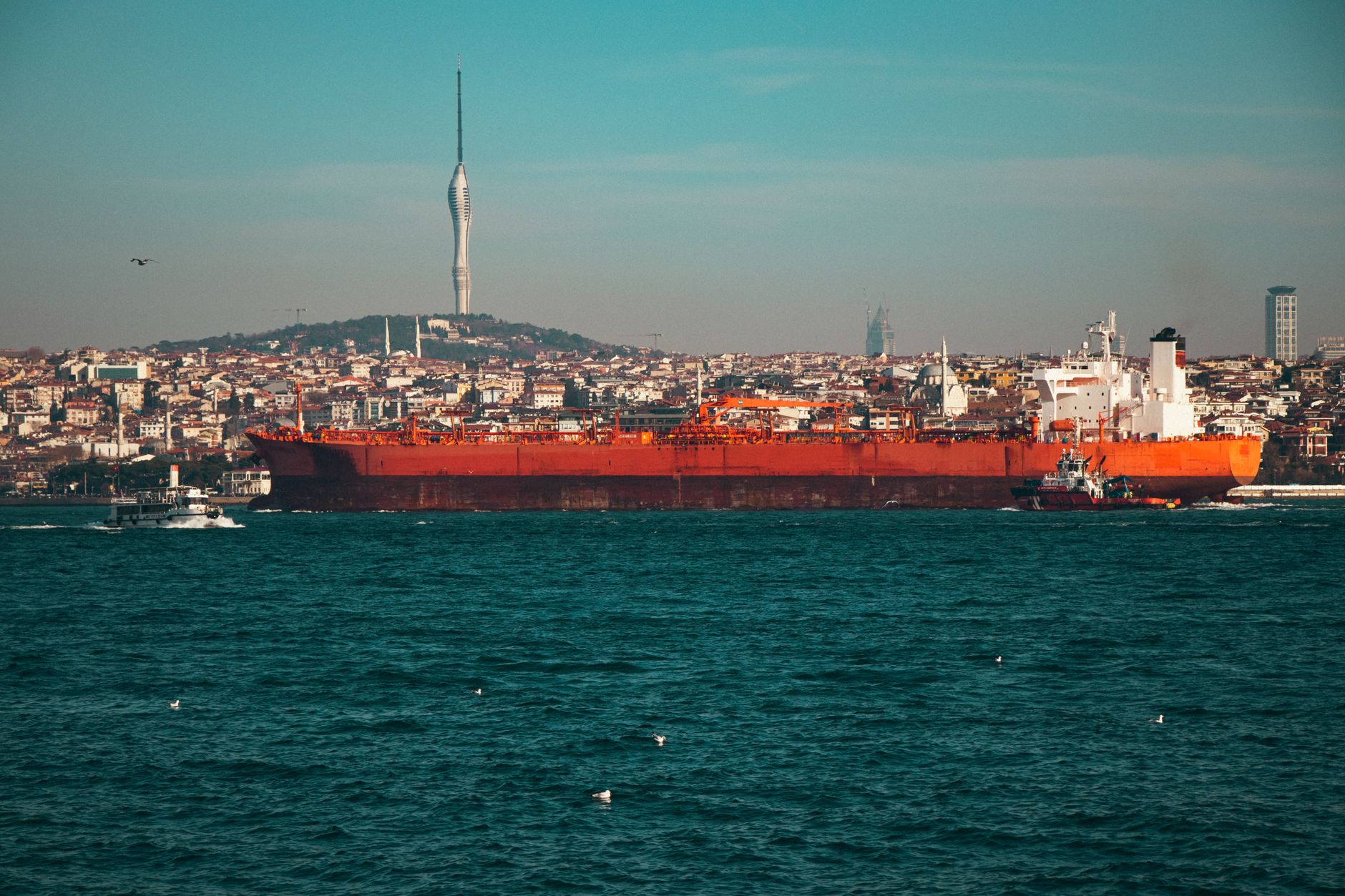
Adding fuel to the fire, the Trump administration’s controversial demand for “protection money” from vessels transiting the Strait of Hormuz drew sharp rebuke from the United Nations maritime agency, which formally opposed any fees for strait passage. The Strait of Hormuz remains one of the world’s most critical oil chokepoints, with roughly 20% of global petroleum passing through its waters daily.
“A toxic stew drags stocks lower,” was how one analyst described the confluence of factors weighing on markets. The combination of geopolitical uncertainty and questions about the sustainability of the AI-driven rally has left investors searching for safer ground.
Sector Performance: Chips Take a Hit
Technology stocks bore the brunt of Monday’s selling pressure, with chipmakers experiencing particularly sharp declines. The semiconductor sector, which has been a primary beneficiary of the artificial intelligence boom, appears vulnerable as investors reassess valuations amid the current risk-off environment.
Energy stocks provided a notable counterweight to the broader market weakness. In London, the FTSE 100 managed to stay flat as gains in energy companies offset losses in mining stocks—a pattern that reflected the complex interplay between rising oil prices and concerns about global economic growth.
Earnings Season Kicks Off With Mixed Results
The early innings of second-quarter earnings season delivered a mixed bag for investors seeking clarity on corporate health:
- FB Financial (FBK) reported earnings per share of $1.14, narrowly missing analyst expectations of $1.17. The regional bank’s slight miss reflects ongoing challenges in the financial sector as interest rate dynamics continue to evolve.
- Lexaria Bioscience (LEXX) provided a bright spot, posting a loss of $0.08 per share—better than the expected loss of $0.09. While still unprofitable, the beat suggests the company is making progress on cost management.
- Fastenal (FAST), Unity Bancorp (UNTY), and TRX Gold (TRX) are among the companies still awaiting reported results, with analysts expecting EPS of $0.33, $1.47, and $0.04 respectively.
Several smaller companies including Biotech (BTCY), Castellum (CTM), and Neurotrope (NTRP) also have earnings pending, though expectations remain modest for these development-stage firms.
Global Implications and Energy Markets
The brewing confrontation between the United States and Iran has far-reaching implications beyond immediate stock market volatility. The planned maritime blockade, set to take effect Tuesday, could significantly disrupt oil shipments and send energy prices higher—a development that would have inflationary consequences just as central banks globally have been navigating the delicate balance between growth and price stability.
The conviction of an Iranian-born engineer in the U.S. for illegally exporting technology to Iran, combined with lawmakers demanding the Pentagon release findings from a probe into an Iran school strike, suggests that tensions are unlikely to ease in the near term.
Looking Ahead: What to Watch
As investors digest Monday’s developments, several key factors will shape market direction in the coming days:
- Tuesday’s blockade enforcement: The implementation of the U.S. maritime blockade on Iran could trigger immediate market reactions, particularly in energy and defense sectors.
- Earnings momentum: With Fastenal and other companies set to report, investors will look for signs of underlying economic strength or weakness.
- AI trade reassessment: Market participants are actively questioning what it will take to get the artificial intelligence investment theme back on track after recent turbulence.
- Oil price movements: Any disruption to Strait of Hormuz traffic could send crude prices sharply higher, with cascading effects across global markets.
The Bottom Line
Monday’s session served as a stark reminder that geopolitical risk remains a potent force in financial markets. While corporate earnings and economic fundamentals ultimately drive long-term returns, the immediate focus has shifted decisively to the Middle East. Investors would be wise to maintain diversified portfolios and keep a close eye on developments in the Strait of Hormuz as the week unfolds. With the blockade set to begin Tuesday, volatility is likely here to stay—at least for now.
Leave a Reply