Wall Street delivered a split verdict on Wednesday as investors navigated a complex landscape of geopolitical uncertainty, mixed inflation signals, and a steady stream of earnings reports. The tech-heavy NASDAQ surged over 1% while the Dow Jones slipped into the red, reflecting a market grappling with conflicting narratives about the global economic outlook.
Market Performance: Tech Leads, Industrials Lag
The NASDAQ (QQQ) jumped 1.06% to $714.71, leading the major indices as technology stocks found their footing amid the uncertainty. The S&P 500 (SPY) gained 0.56% to close at $742.31, buoyed by strength in growth sectors. However, the Dow Jones (DIA) edged down 0.15% to $497.14, weighed down by industrial and consumer discretionary names sensitive to rising energy costs and geopolitical risk.
The divergence between indices tells a compelling story: investors are rotating toward tech and growth names as a defensive play against mounting global uncertainties, while cyclical stocks face headwinds from potential supply chain disruptions and weakening consumer sentiment.
Cisco emerged as a standout performer, with shares popping 11% after the networking giant delivered an earnings beat accompanied by strong forward guidance—a rare bright spot that lifted sentiment across the broader tech sector.
Geopolitical Storm Clouds: Iran Crisis Takes Center Stage
Today’s headlines were dominated by escalating tensions surrounding Iran. Vice President Vance indicated that the U.S. is making progress in diplomatic talks, but the situation remains fluid. President Trump’s ongoing visit to China adds another layer of complexity, with Beijing potentially holding leverage that could reshape regional alliances.
The European Central Bank’s Philip Lane warned that a global oil shock stemming from an Iran conflict may require interest rate hikes—a stark reminder that geopolitical events can quickly derail central bank easing cycles. Meanwhile, the U.S. Senate blocked another attempt to rein in presidential war powers regarding Iran, though support for congressional oversight appears to be growing.
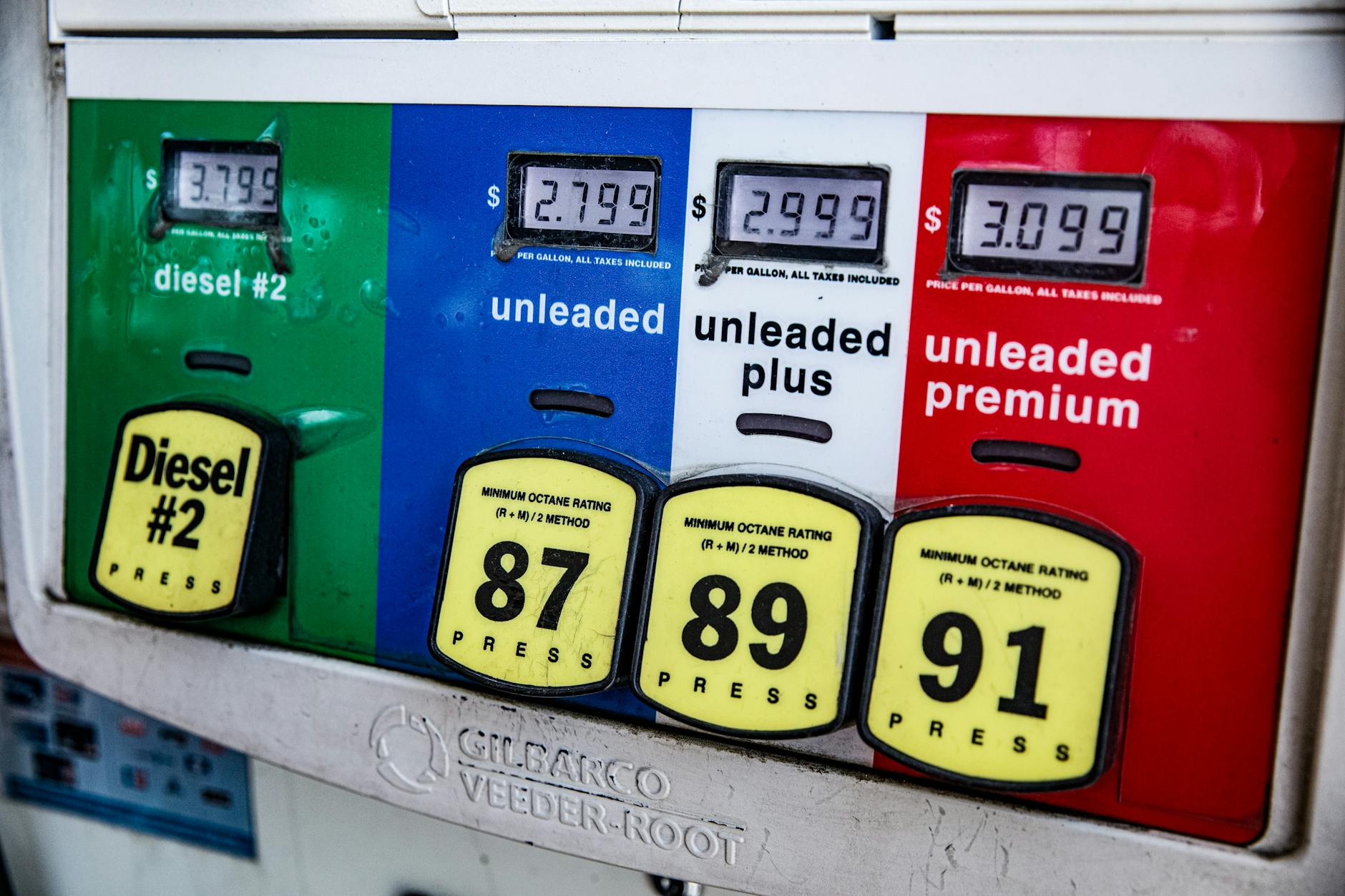
A drone strike hitting an Iranian opposition camp north of Iraq’s Erbil underscored the volatile nature of the situation, keeping energy markets on edge and contributing to the surge in gas prices that is already affecting consumer behavior.
Economic Data: A Tale of Two Inflations
Today’s inflation readings painted a nuanced picture that gave both bulls and bears something to chew on:
- U.S. Monthly Inflation: -0.5% – A significant deflationary reading that surprised markets, contrasting sharply with the previous month’s 0.2% gain. Year-over-year inflation held steady at 1.4%.
- European Harmonised Inflation: 2.9% YoY – Came in as expected but ticked up from 2.8%, suggesting the ECB’s inflation fight isn’t quite finished.
- Emerging Market Pressures: Some regions reported concerning acceleration, with monthly inflation hitting 1.1% and year-over-year figures jumping to 3.1% from 2.1%.
Labor markets showed resilience, with unemployment holding at 2.9% in one major economy while another saw improvement to 4.9% from 5.0%. GDP growth of 3.6% YoY beat the previous 3.0% reading, though another region barely escaped recession with 0.2% growth after contracting 0.3%.
Business confidence remains fragile, with NAB Business Confidence improving to -24 from -29—still deeply negative but showing incremental progress.
Earnings Roundup: Small Caps Deliver Surprises
While mega-cap earnings dominated recent weeks, today’s reports from smaller companies showed encouraging resilience:
- BUDA beat estimates with EPS of $0.05 versus $0.03 expected
- STUB tripled expectations, posting $0.06 EPS against $0.02 estimates
- KYIV edged past consensus with $0.37 versus $0.36
- ARX delivered $0.17, beating the $0.16 forecast
- MSAI lost less than feared at -$1.23 versus -$1.63 expected
On the downside, SWMR disappointed significantly, posting a loss of $0.28 against expectations of just -$0.11. DERM also missed narrowly, highlighting ongoing challenges in the healthcare space.
Looking Ahead: Fed Speech and Energy Concerns
Markets will be closely watching Fed Governor Williams’ upcoming speech for clues on how the central bank views the current inflation dynamics. The deflationary U.S. reading could strengthen the case for continued accommodation, but geopolitical risks and energy price pressures complicate the calculus.
The impact of surging gas prices is already visible in consumer data, with beer demand notably stumbling as households tighten discretionary spending. This could be an early warning sign of broader consumption weakness if energy costs remain elevated.
For now, the market appears to be pricing in cautious optimism on the diplomatic front while hedging with growth stocks. Tomorrow’s trading will likely hinge on further developments from Trump’s China visit and any clarity on the Iran situation.
Leave a Reply