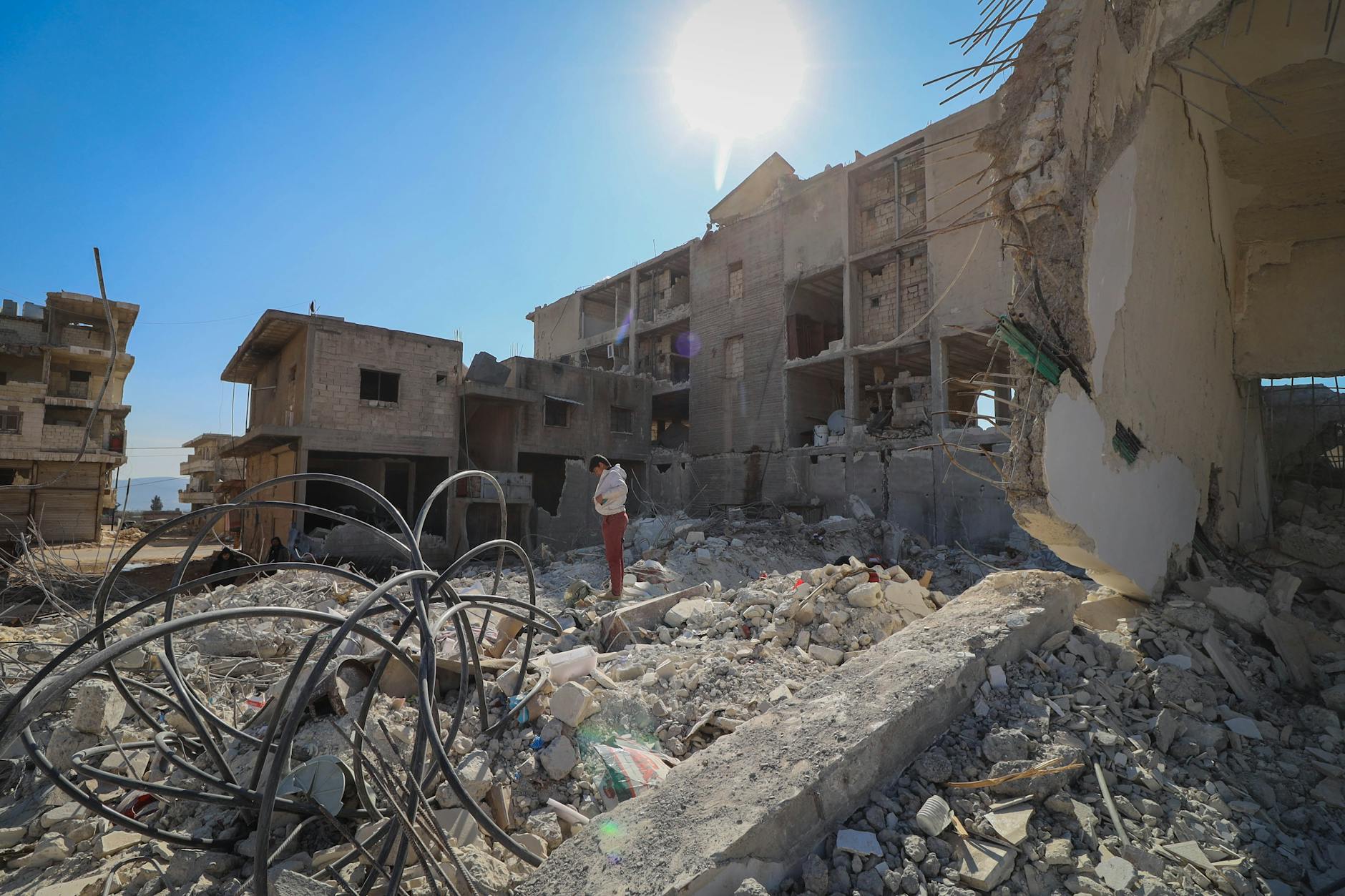
Wall Street suffered another punishing session Thursday as the escalating US-Iran conflict continued to send shockwaves through global markets, with all three major indices posting losses exceeding 1.5%. The geopolitical crisis, now disrupting major energy operations and dominating headlines, has investors scrambling for safety while questioning the durability of the current economic landscape.
Market Performance: A Sea of Red
The selling pressure was relentless across all sectors on Thursday. The S&P 500 (SPY) dropped 1.52% to $666.06, a level that technical analysts note sits precariously close to key support zones. The tech-heavy NASDAQ (QQQ) led losses, falling 1.72% to $597.26, as growth stocks bore the brunt of risk-off sentiment. The Dow Jones Industrial Average (DIA) shed 1.54% to close at $467.48.
The synchronized decline reflects deep anxiety about how prolonged Middle East tensions could reshape the global economic order. Energy stocks have become a double-edged sword—benefiting from higher crude prices while facing operational disruptions that threaten production targets.
Iran Conflict Dominates the Narrative
Today’s headlines paint a stark picture of a conflict with far-reaching implications. TotalEnergies reported a 15% decline in output directly attributed to the US-Iran war, while also confirming outages at UAE facilities—a troubling sign that the conflict’s impact is spreading beyond direct combat zones.
Israeli Prime Minister Netanyahu’s threats toward Iran’s new leadership added another layer of uncertainty, with Reuters reporting that regional government stability remains precarious. Meanwhile, diplomatic efforts appear stalled, as the US and allies clash with Russia and China over Iran’s nuclear program, suggesting no near-term resolution is in sight.
Perhaps most telling of investor psychology: art and classic car auctions topped $600 million this week despite—or perhaps because of—the ongoing crisis. Wealthy investors appear to be rotating into tangible assets as a hedge against geopolitical uncertainty.
Earnings Roundup: Mixed Results Amid Chaos
Against this turbulent backdrop, earnings season continued with decidedly mixed results. Here’s how companies fared:
Notable Beats:
- Futu Holdings (FUTU) delivered a standout performance with EPS of $24.03 versus estimates of $22.27—a solid beat that suggests the fintech sector retains pockets of strength.
- Monro Inc. (MNR) crushed expectations with EPS of $0.43 against a $0.26 estimate, demonstrating that essential automotive services remain resilient.
- Rubrik (RBRK) surprised to the upside with positive EPS of $0.04 versus an expected loss of $0.11, signaling improving profitability in cybersecurity.
- iPSC (IPSC) and KRMD both posted narrower-than-expected losses, offering modest encouragement for biotech investors.
Disappointing Misses:
- WhiteHawk (WHWK) posted a significant miss with EPS of -$0.34 versus estimates of -$0.16, more than doubling expected losses.
- US Shipping (USEA) reported EPS of -$0.17 against expectations of -$0.04—a concerning miss given the current focus on supply chain logistics.
- Truist Insurance (TIC) swung to a loss of -$0.13 versus an expected profit of $0.05, a jarring reversal.
- Beauty Health (SKIN) and Aemetis (AMTX) also disappointed, extending losses beyond analyst projections.
Buffett’s Wisdom Resonates
Warren Buffett’s timely reminder that cash is “necessary like oxygen” but “not a good asset” perfectly encapsulates the current investor dilemma. With markets volatile and geopolitical risks elevated, maintaining liquidity feels prudent—yet holding too much cash means missing potential opportunities in what some analysts are calling a “sharply oversold market.”
Indeed, several market strategists are already circulating shopping lists of stocks to buy during this correction, betting that the selloff has created attractive entry points for long-term investors with strong stomachs.
Looking Ahead
The near-term outlook remains hostage to developments in the Middle East. Key questions facing investors:
- Will energy disruptions spread further, potentially triggering an oil price shock?
- Can diplomatic channels reopen, or is escalation inevitable?
- How will the Federal Reserve respond if inflation pressures resurface due to energy costs?
For now, defensive positioning appears warranted. Friday’s session will likely see continued volatility as traders digest the week’s events heading into the weekend. Stay nimble, stay informed, and remember—in markets like these, preservation of capital is itself a victory.
Leave a Reply