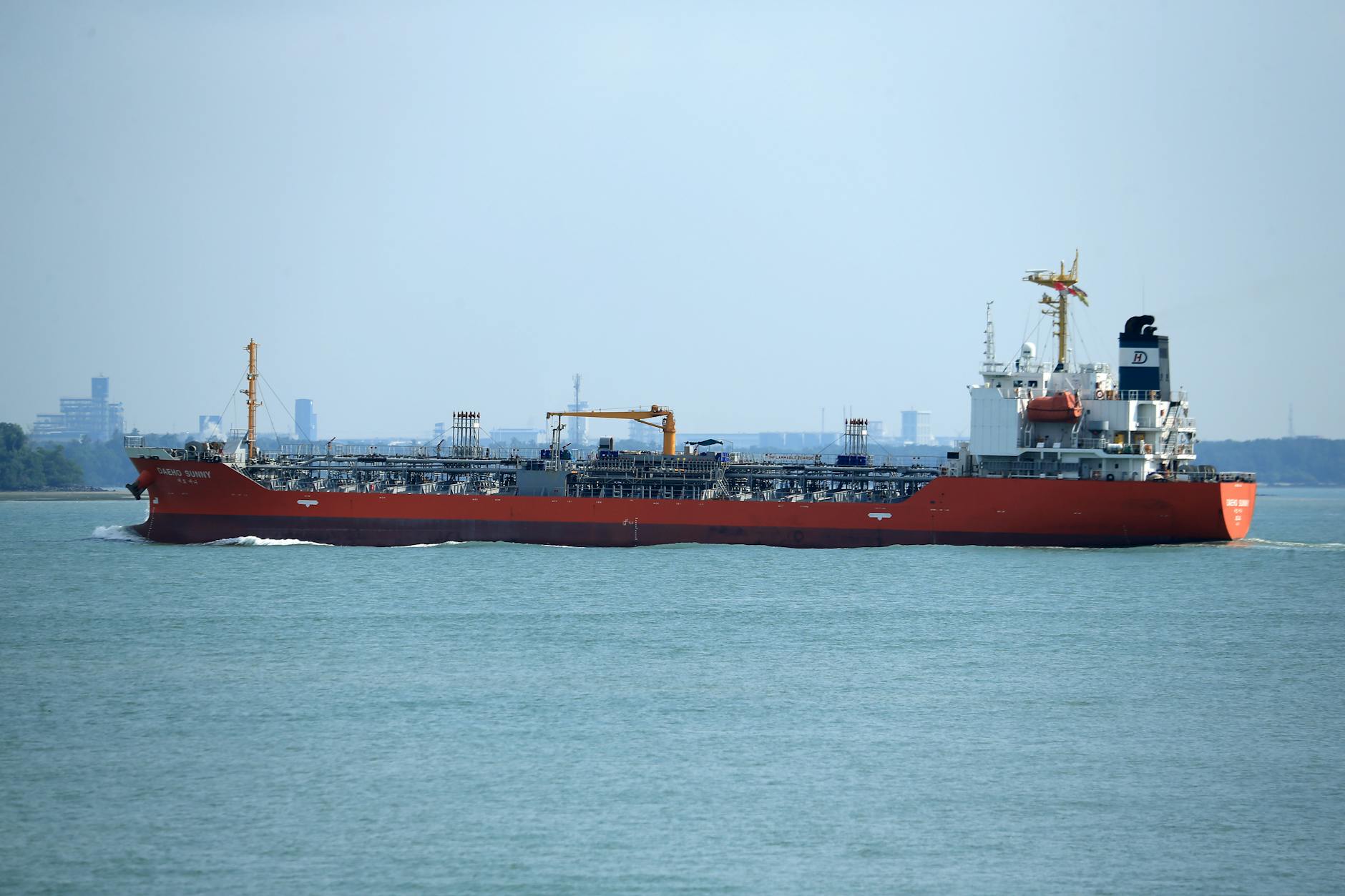
Wall Street closed in the red on Wednesday as escalating geopolitical tensions in the Middle East sent shockwaves through global markets. With Iran reportedly laying mines in the Strait of Hormuz and oil infrastructure under attack in Oman, investors fled to safety amid fears of a broader regional conflict that could disrupt critical global trade routes.
Market Performance: A Sea of Red
All three major indices finished the session lower, with the Dow Jones Industrial Average (DIA) taking the hardest hit, dropping 0.77% to close at $474.03. The blue-chip index was weighed down by defense and healthcare stocks grappling with heightened uncertainty.
The S&P 500 (SPY) shed 0.32% to settle at $675.04, while the tech-heavy NASDAQ (QQQ) proved relatively resilient, dipping just 0.17% to $606.71. Technology stocks benefited from their perceived distance from Middle Eastern supply chain disruptions, though cybersecurity concerns following a suspected Iran-linked attack on medical device maker Stryker kept gains in check.
Trading volumes surged above average as institutional investors repositioned portfolios to account for the rapidly evolving situation in the Persian Gulf. The VIX, Wall Street’s fear gauge, climbed notably as options traders priced in greater volatility ahead.
Strait of Hormuz: The Economic Chokepoint
The dominant story driving today’s market action centers on the Strait of Hormuz, through which approximately 20% of the world’s oil supply flows daily. Multiple sources confirmed to Reuters that Iran has laid approximately a dozen mines in the critical waterway, dramatically escalating tensions with Western powers.
Key developments rattling markets today include:
- Mining of the Strait: Iranian naval forces have deployed sea mines, raising the specter of disrupted tanker traffic
- Oman attack: Oil storage facilities at Salalah port were hit, according to maritime security firm Ambrey and state television
- Cyberattack concerns: Stryker shares tumbled following reports of a suspected Iran-linked cyberattack, highlighting digital warfare risks
- U.S. military advisory: American civilians have been warned to avoid port facilities where Iranian navy vessels are operating
President Trump told Axios that the conflict in Iran “will end soon,” claiming there is “practically nothing left” to target. However, markets remain skeptical, with analysts noting that Iran’s asymmetric capabilities—including mine warfare and cyber operations—could prolong instability regardless of conventional military outcomes.
Food Prices in the Crosshairs
Beyond energy markets, today’s headlines highlighted a less obvious but equally concerning economic risk: fertilizer supply chains. The Middle East conflict threatens to disrupt global fertilizer supplies, potentially driving food prices higher at a time when consumers are already stretched thin.
Agricultural commodities ticked higher on the news, with corn and wheat futures both posting gains as traders anticipate ripple effects through the growing season. Grocery retailers and food producers could face margin pressure if input costs rise significantly in the coming months.
Earnings Spotlight: Surprise Beats Amid the Chaos
Despite the geopolitical turmoil, several companies delivered earnings surprises that stood out in today’s session:
- Katapult Holdings (KPLT) stunned analysts with EPS of $3.65, demolishing expectations of a -$1.15 loss. The buy-now-pay-later firm’s massive beat suggests resilient consumer spending in the fintech space.
- OppFi (OPFI) beat estimates with EPS of $0.30 versus the $0.29 consensus, demonstrating continued strength in consumer lending.
- Serve Robotics (SERV) posted a narrower-than-expected loss of -$0.46 versus estimates of -$0.54, as the autonomous delivery company continues its path toward profitability.
Several high-profile names including UiPath (PATH), Stitch Fix (SFIX), and Navigator Holdings (NVGS) were scheduled to report but results were not yet available at press time.
Looking Ahead: Navigating Uncertain Waters
Thursday’s session will likely remain dominated by developments in the Persian Gulf. Traders should watch for any signs of de-escalation—or further escalation—as military operations continue. Energy stocks and defense contractors may see continued volatility, while safe-haven assets like gold and Treasury bonds could attract additional inflows.
With Jim Cramer highlighting Eli Lilly’s positioning ahead of a potential obesity pill approval, healthcare remains a pocket of opportunity amid the broader uncertainty. Investors seeking shelter from geopolitical storms may find pharmaceutical names an attractive defensive play.
For now, the market’s message is clear: uncertainty reigns, and capital preservation is taking priority over growth. Stay diversified, stay informed, and as always, stay cautious in these turbulent times.
Leave a Reply